



Artists
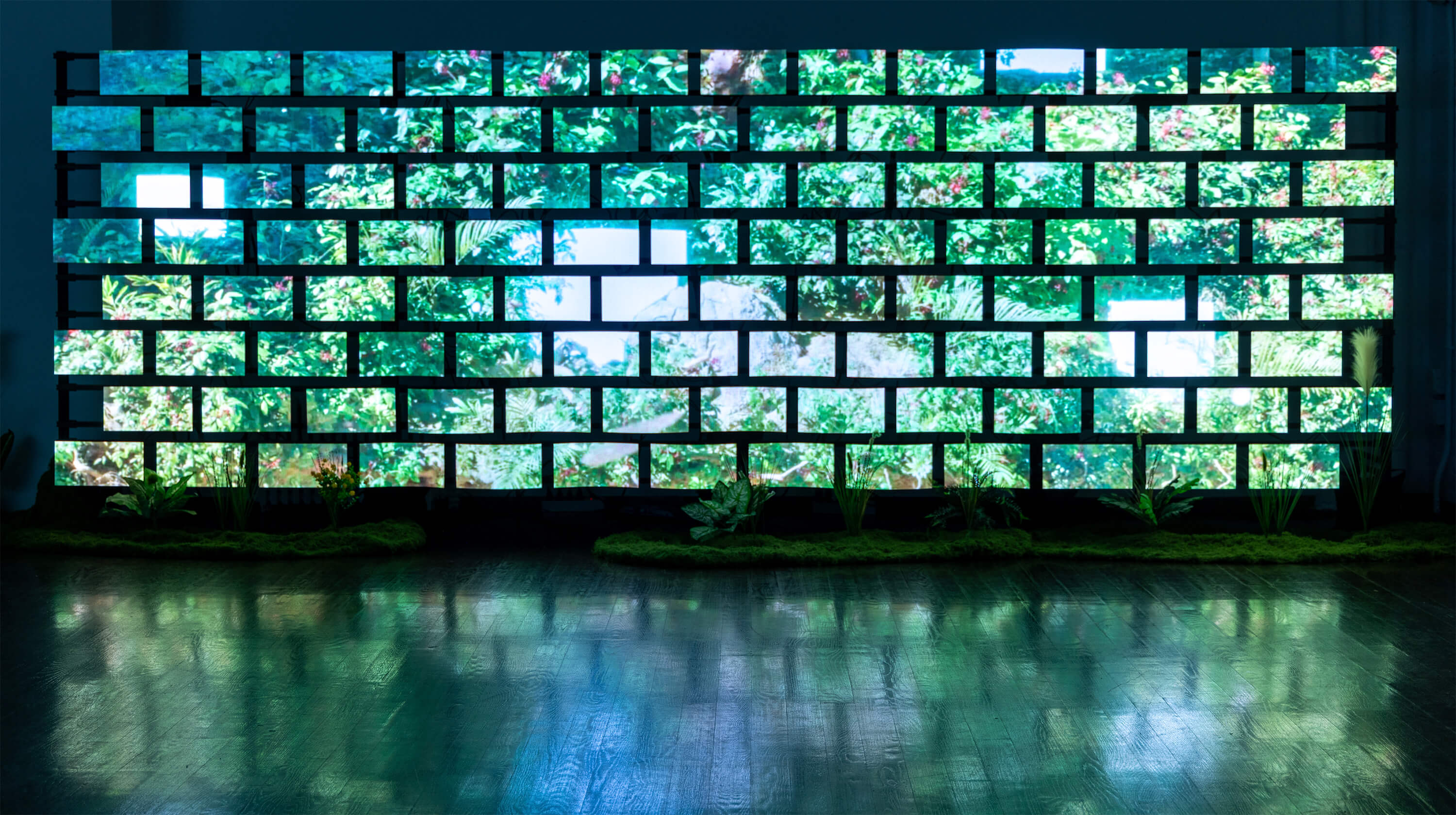
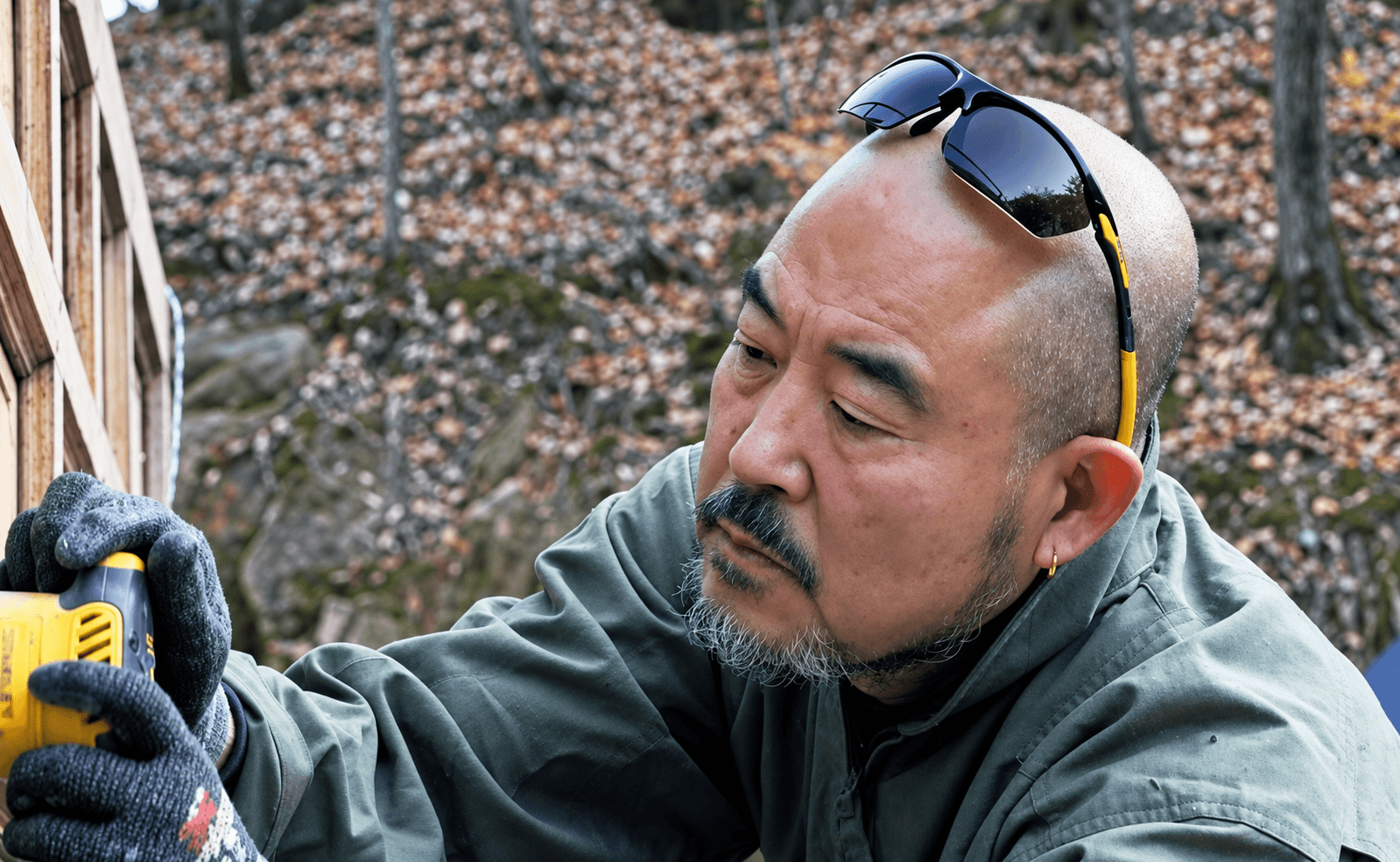
A Seoul-born contemporary artist whose practice moves between painting, installation and media, Lee Jin Hyu explores memory, history and the human will to cross boundaries. Lee graduated from Gachon University in Korea and earned a master's degree in painting in Madrid, Spain. His artistic lineage runs through the heart of Korean abstraction: he studied under Yun Hyong-keun, who was himself the student and son-in-law of Kim Whanki. Lee carries the spiritual legacy of this tradition forward, extending it into graffiti and hip-hop culture, the human body in motion, LED light, media and found objects. He is a professor in the Fine Art Department at Gachon University.
Lee's perspective is shaped by an international path, from Korea to Iraq to Spain. Questioning an art history centered on the United States and European countries, he favors a pluralist view of culture and history, approaching the past and present from a human rather than a national point of view. His early public projects, including memorial-park and cemetery works, explored how a society understands life, death and time.
Over four decades, Lee has exhibited widely across Europe, Asia, the Middle East and the United States, including ARCO96 (Madrid), the Granada Biennale (1997), Art Stage Singapore (2012), KIAF Korea International Art Fair (2010), the New York Art Show (2011), and an exhibition marking 30 years of UAE–Korea diplomatic relations (2010). In the United States, he has presented a special invitational at the LA Art Show and a solo exhibition in Los Angeles.
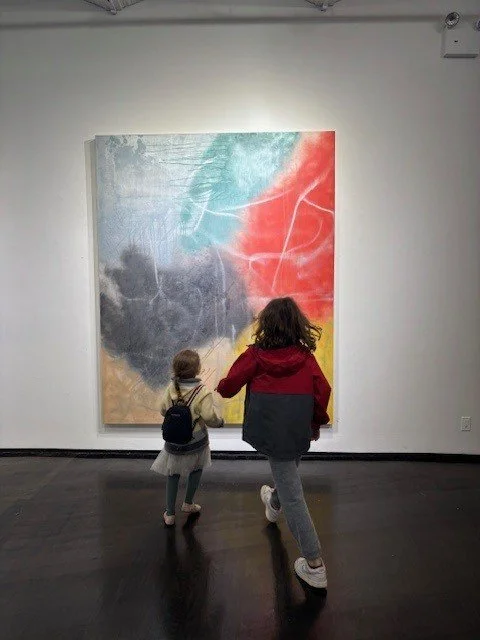
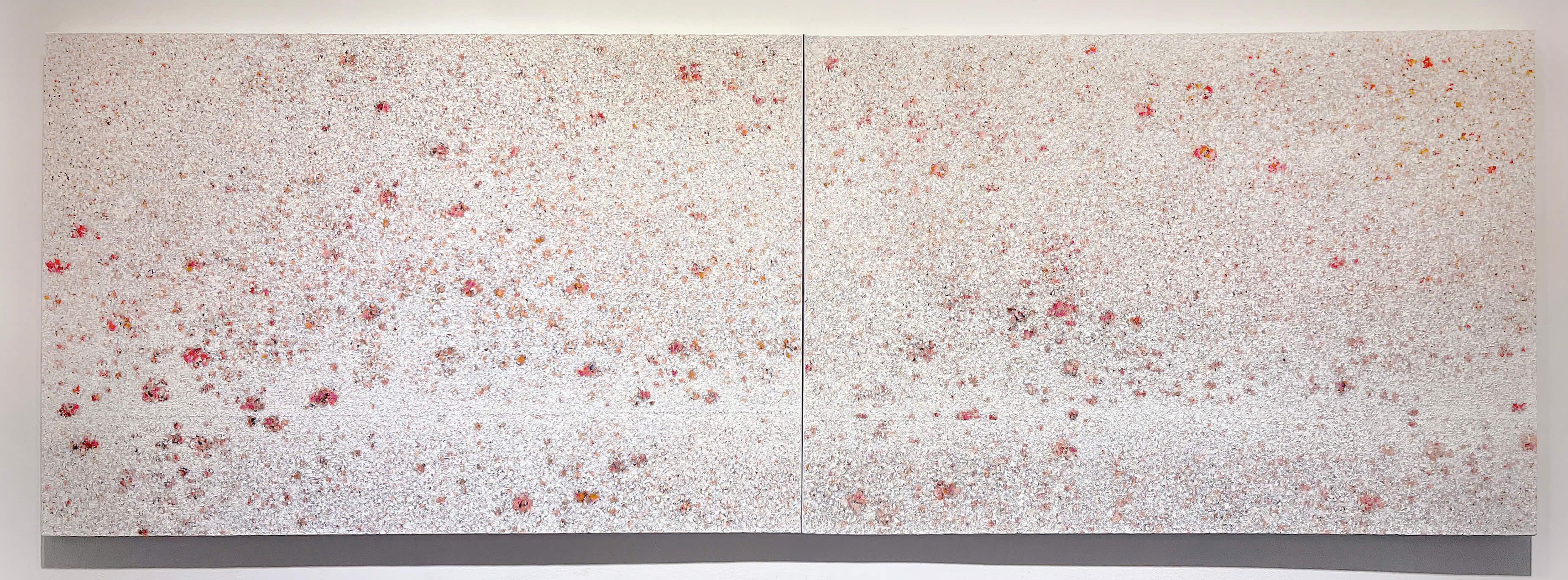
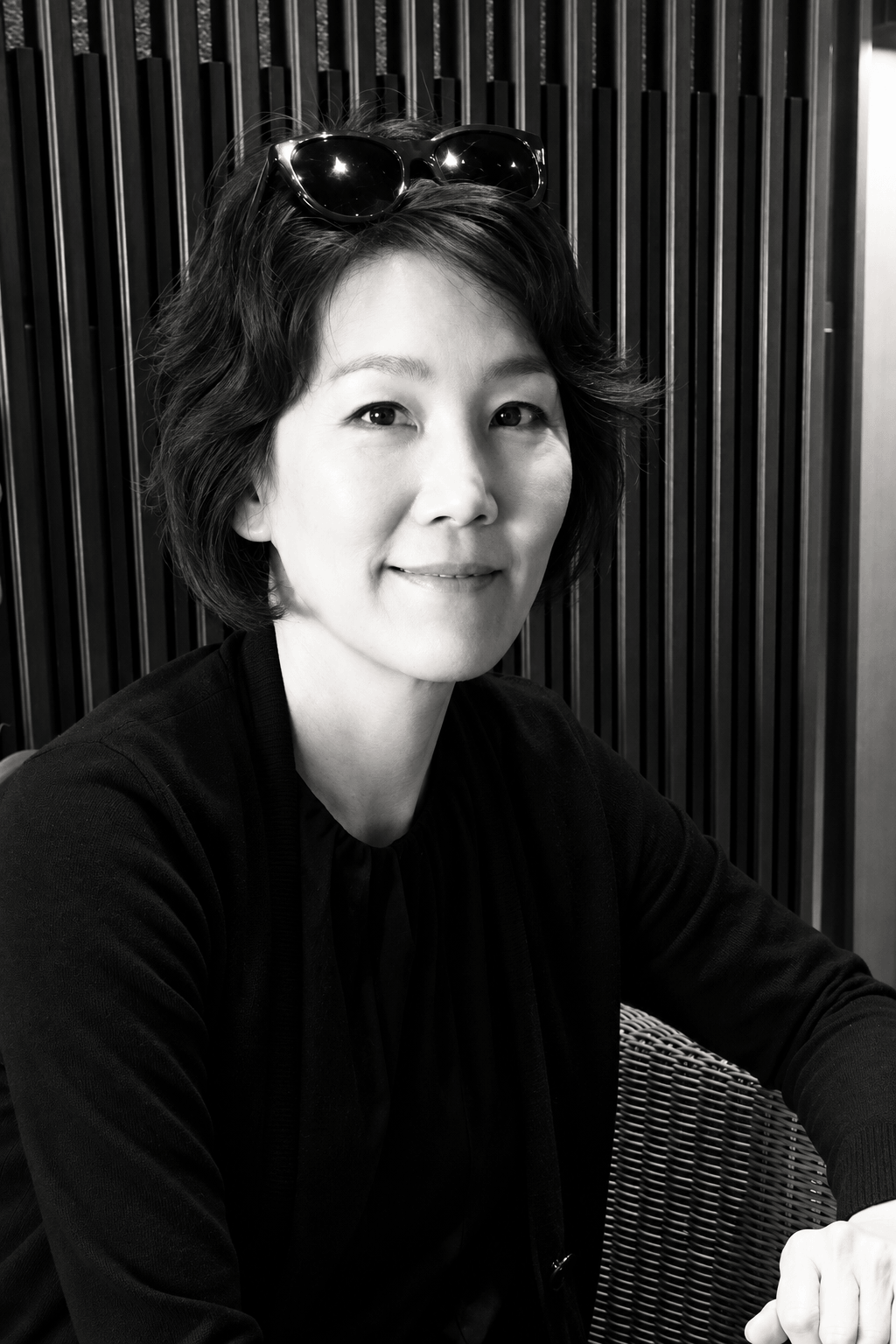
Dabo Kang is a Korean-born, New York–based painter whose work explores the subtle interplay between light, silence, and the passage of time. Working primarily in large-scale oil and acrylic paintings, she creates atmospheric fields defined by repeated gestures, meticulously layered color, and finely modulated surfaces.
Over more than three decades, Kang has cultivated a distinctive visual language rooted in nature’s quietest phenomena—the resilience of winter blossoms, the meditative stillness of lakes, the shifting hues of distant horizons, and the boundless depth of blue.
Her paintings are not merely representations but contemplations: vast spaces where color becomes breath, where boundaries dissolve, and where the viewer is invited into a profound state of inward reflection.
Kang’s works have been exhibited in leading galleries throughout New York, Hong Kong, Singapore and Korea, and her paintings are held in esteemed private and public collections worldwide.
Her practice remains a constant evolution—an ongoing search for the delicate threshold between presence and disappearance—a search that defines both her art and her perception of the world.
Currently living and working in New York, she continues to push the boundaries of her medium, exploring the infinite possibilities of light.
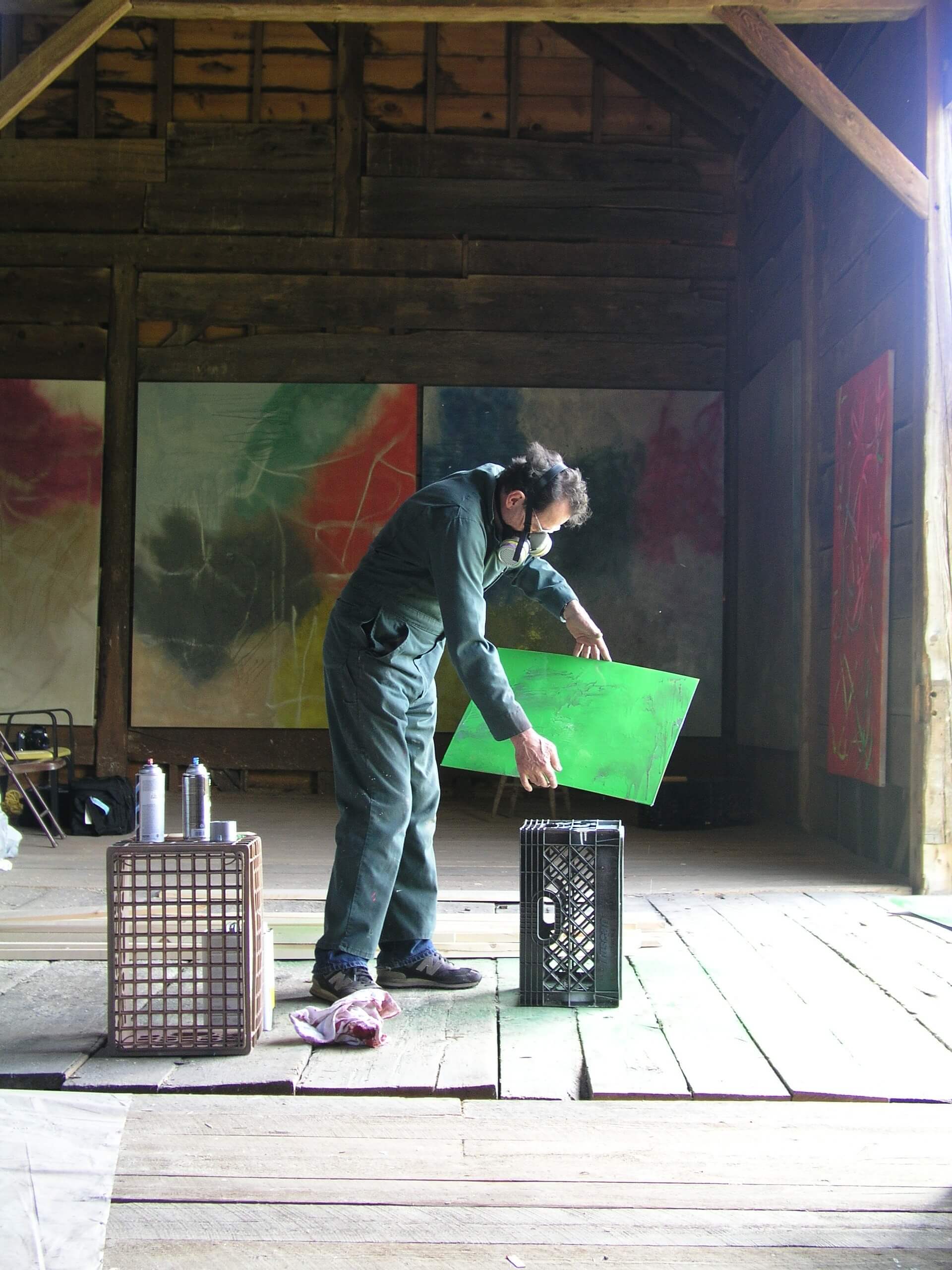
Murray Hochman was born in 1934 and raised on NYC’s Lower East Side. He has a BA in art history from New York University and an MFA from Alfred University in ceramic arts, although he quickly turned to
painting.
His first works were bought by Frederic Mueller of the Pace Gallery and other prominent curators and collectors, including Henry Geldzahler (then curator of American Art at the Metropolitan Museum), Sam Hunter, Robert Scull and Allan Stone. During the 1960s, he was included in group shows at the Pace and Tibor de Nagy galleries along with the Whitney Art Resources Center and the Lobo Gallery in Montreal.
Throughout the following decades, Hochman has painted and exhibited consistently, but largely under the radar of the mainstream art establishment. In 2000, he bought a farm in the Berkshires, where he has been working in relative isolation for the last 25 years.
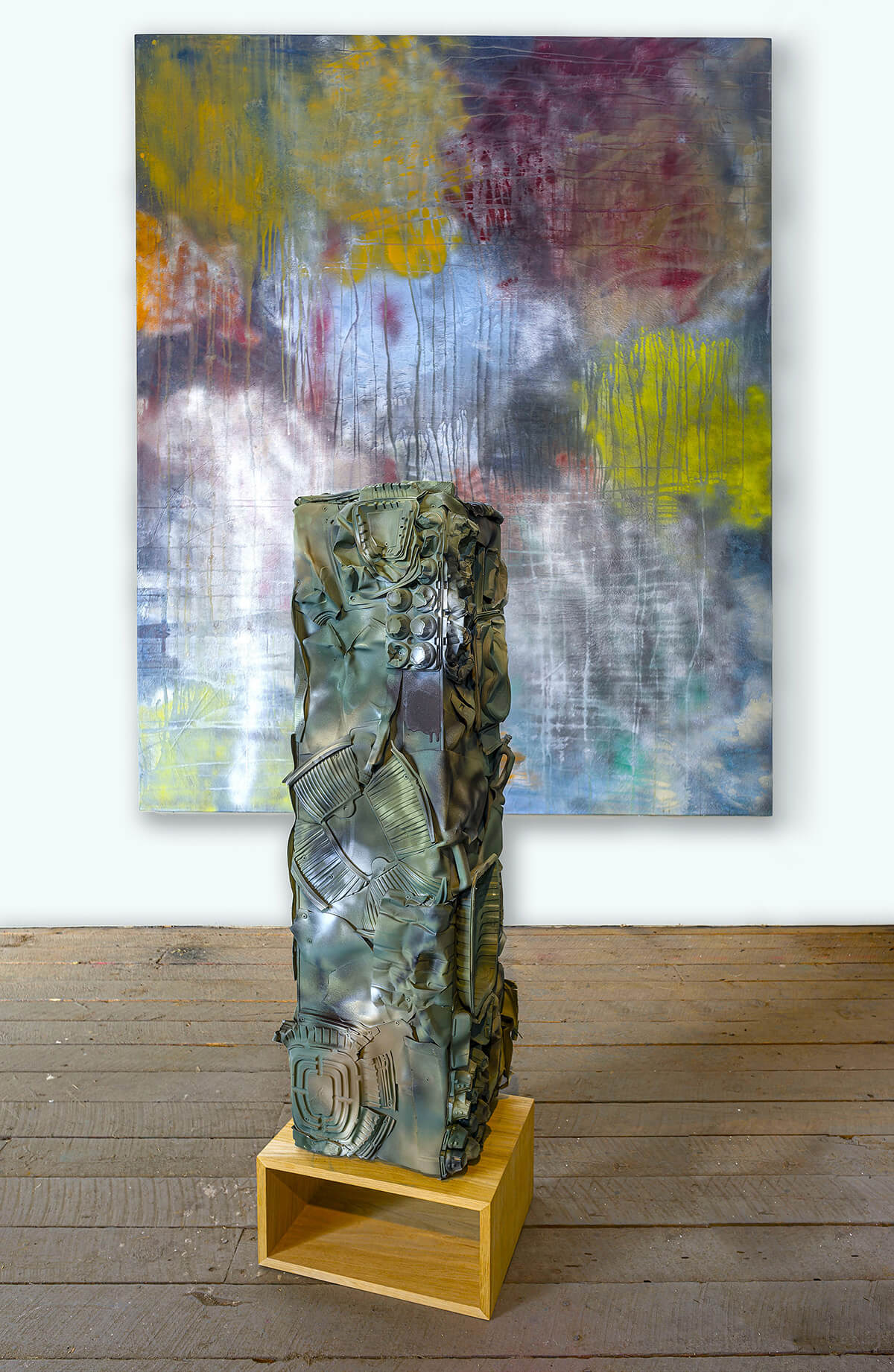
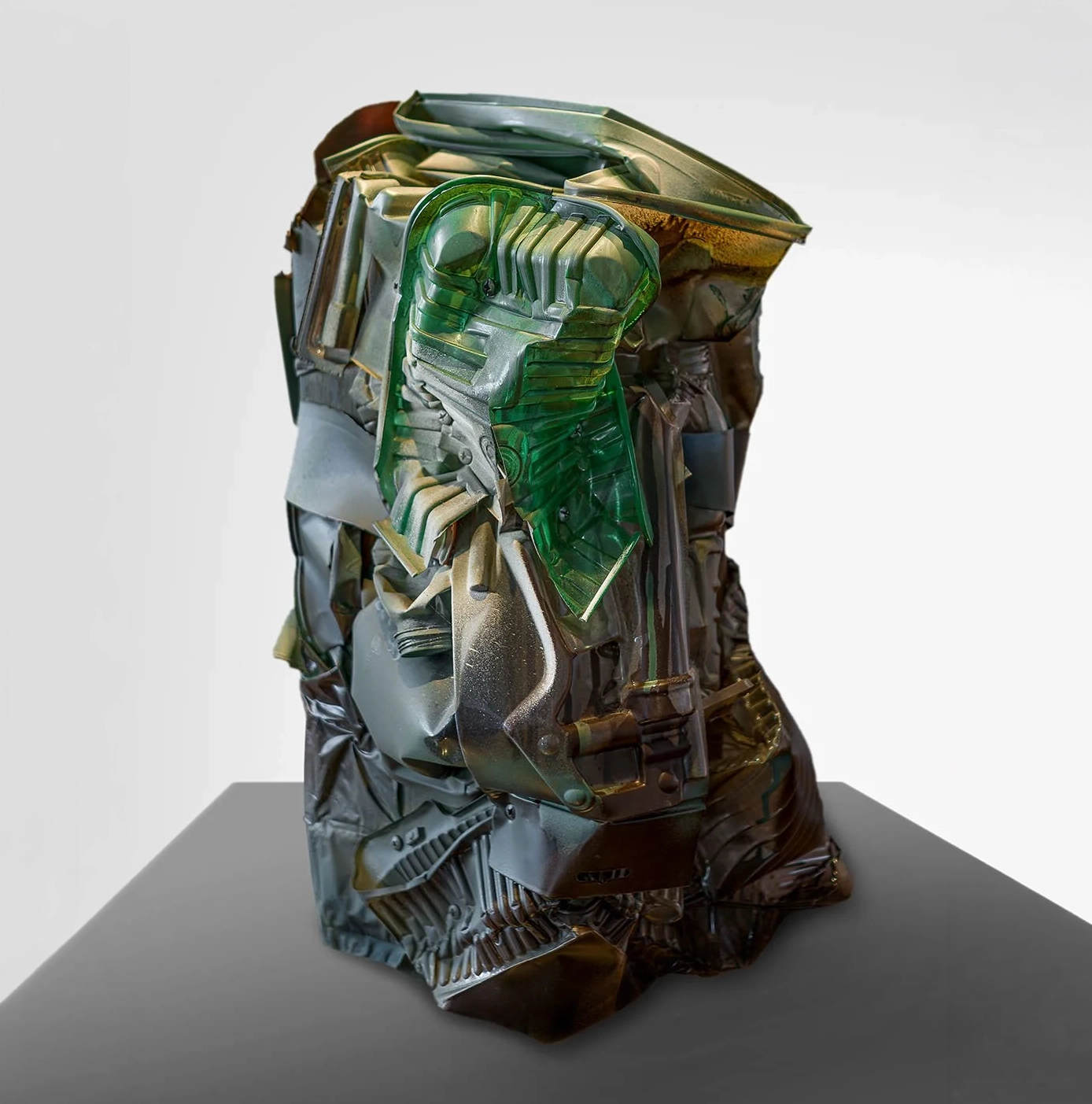
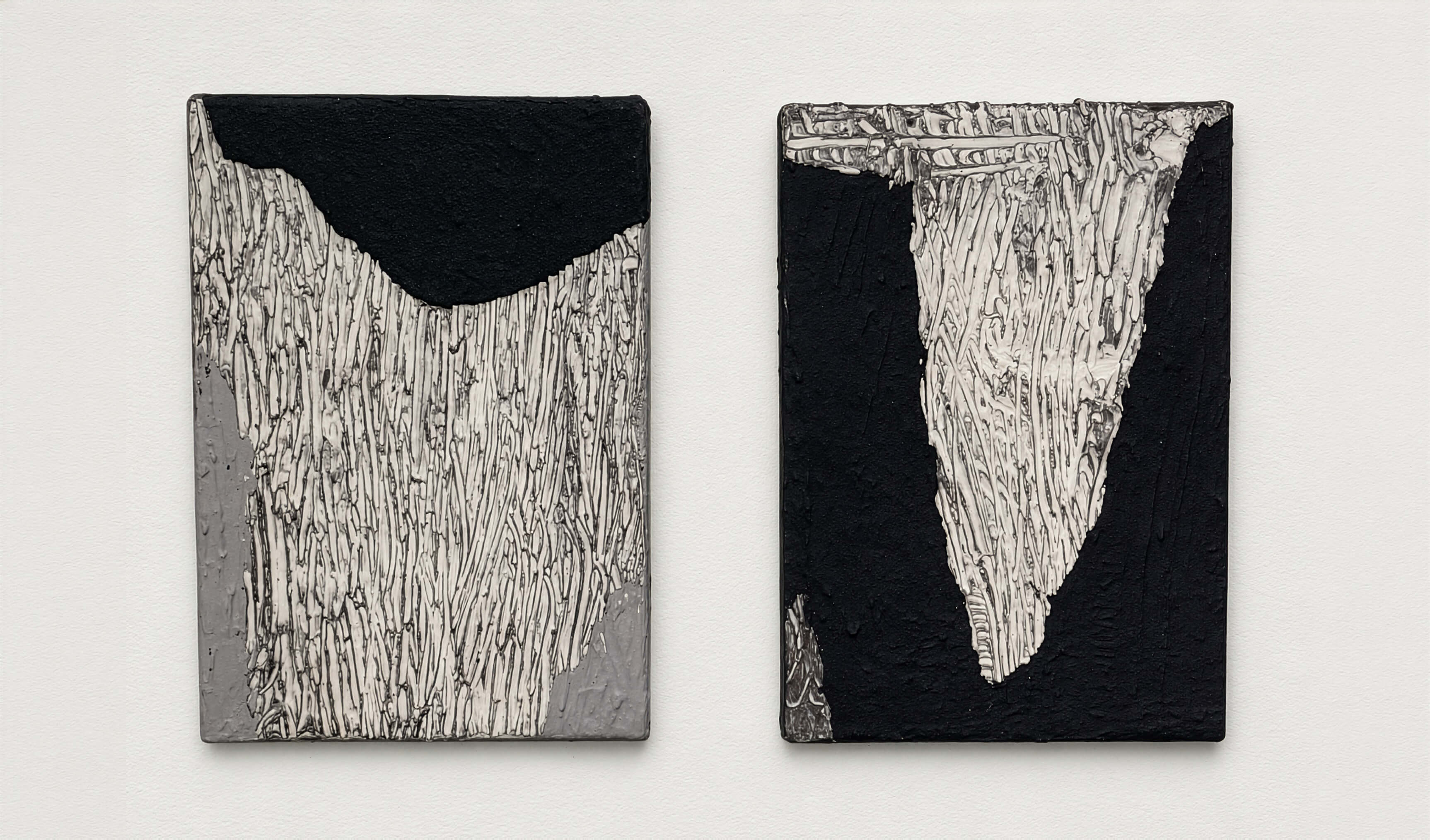
It stimulated a period of intense creativity and new directions, including collage, paintings on scrap metal, and wall reliefs and sculpture made out of discarded plastic, his first foray into the third dimension since his graduate work in ceramics.
www.murrayhochman.com
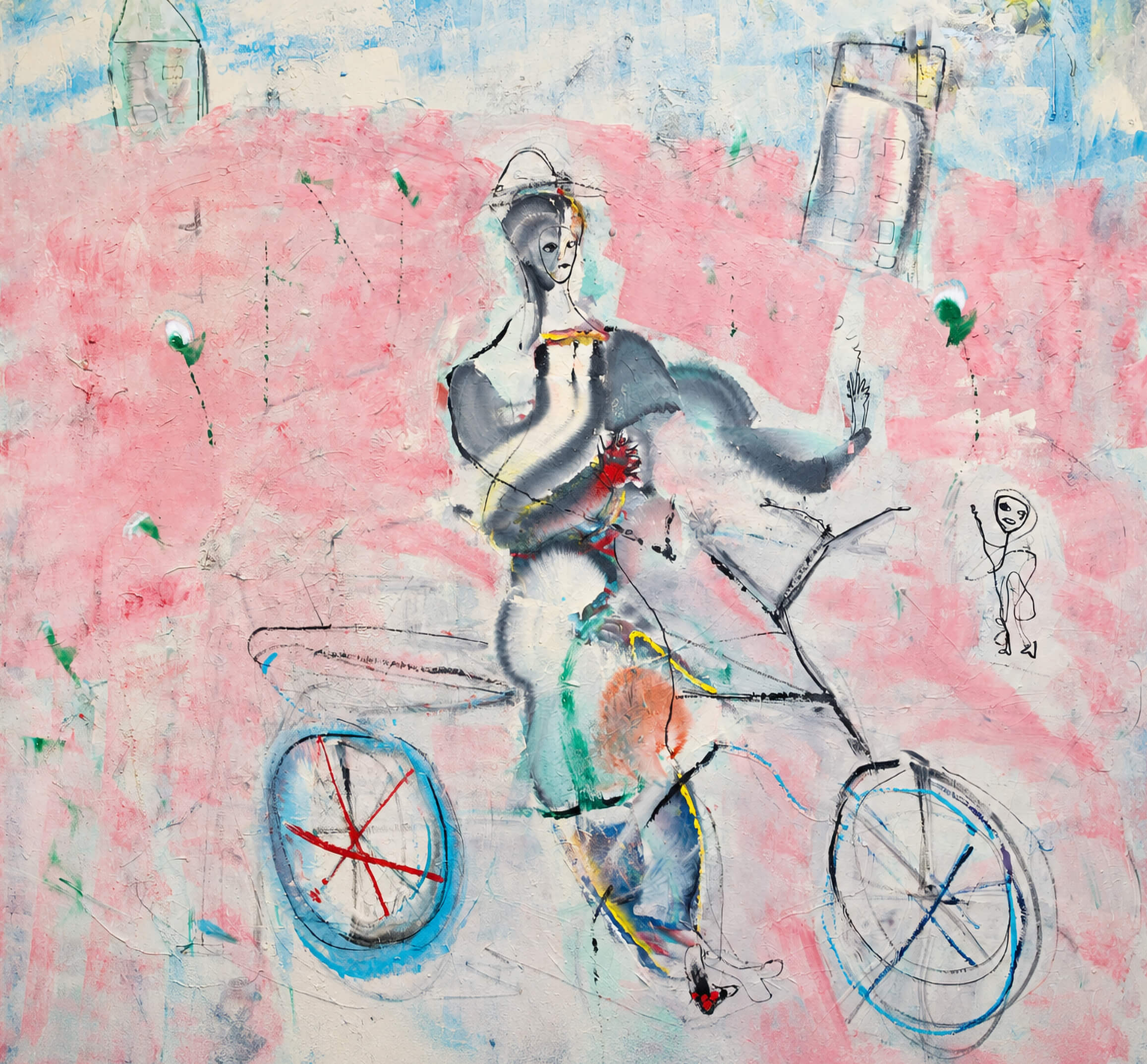
Alexander Varvaridze is a visual artist (painter) with a distinctive approach to his art consisting of figurative shapes and colors. His portraits show him as an emotional painter rather than a realist, which gives him a lot of room for interpretation.